Skip to content

Table of Contents
If you have noticed your cheeks look flatter than they used to, or your lips seem to have lost some of their natural shape, you are not imagining it. Facial volume loss is one of the most common signs of aging, and it happens gradually enough that most people cannot pinpoint exactly when it started.
At Incite Health and Wellness, we help patients understand what is actually happening beneath the surface before recommending any treatment, because knowing the cause makes the solution make much more sense.
What causes age-related volume loss and how do dermal fillers help?
What Causes Age-Related Volume Loss
Most people assume facial aging is simply about skin sagging, but the real story is more layered. Three separate processes are usually at work underneath the surface:
- Facial fat pads shift position and deflate at different rates, changing the overall shape and balance of the face in ways that skincare alone cannot address.
- Bone density gradually decreases with age, and the facial skeleton itself remodels slightly, meaning the frame that skin and fat rest on becomes less supportive over time.
- Collagen and elastin production slows down, so the skin covering everything grows thinner and less resilient.
None of these changes happen in isolation. Fat pad movement, bone remodeling, and thinning skin all compound together, which is why volume loss can feel sudden even though it has been building for years.
Where Volume Loss Typically Shows Up First
While every face ages differently, there are patterns worth understanding. A few areas tend to show these changes earliest:
- Cheeks often flatten first, since mid-face fat pads tend to lose volume early, changing the overall contour of the face rather than just one isolated spot
- Lips can lose definition and fullness somewhat independently of what is happening in the cheeks
- Under-eye hollowing is frequently tied to this same fat pad loss, not simply fatigue, which is a common misconception patients bring up during consultations
The timing and pattern of these changes vary from person to person, an important piece of understanding volume loss before considering any kind of facial rejuvenation approach.
Why Volume Loss Looks Different for Everyone
Genetics play a meaningful role in how fat pads are distributed and how they change over the years. Two people the same age can experience very different patterns of volume loss simply because of how their faces were built. A few key factors explain why:
- Genetics determine baseline fat pad distribution and how quickly it changes over time
- Skin quality and thickness affect how visible these structural changes actually become, since thinner skin reveals volume loss more readily.
- Lifestyle factors such as sun exposure and smoking can accelerate visible aging well beyond what genetics alone would predict.
This natural variation is exactly why a one-size-fits-all approach rarely produces the best results, and why an individualized assessment matters before moving forward with any dermal filler treatment.
How Dermal Fillers Address the Root Mechanism
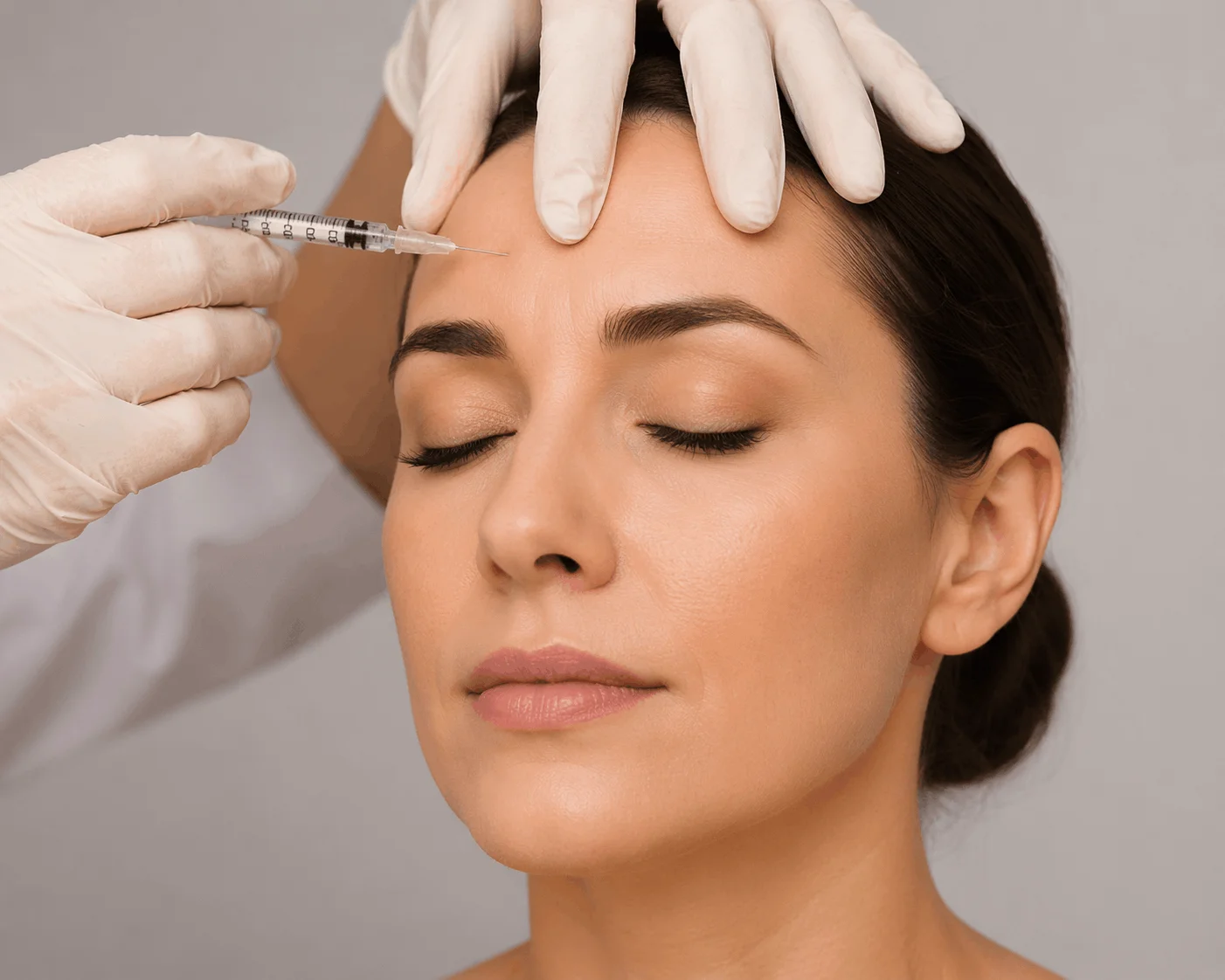
This is where anti-aging injectables come into the picture, and understanding the mechanism helps explain why they work. Hyaluronic acid-based fillers are designed to replace lost structural volume, not simply plump the surface of the skin. When placed with precision, filler restores the support that fat pads and bone once provided.
Placement matters just as much as the product itself, and this is where a trained provider’s eye becomes especially important. Filler is matched to the specific areas where volume was actually lost, whether that is the cheeks, the lips, or the under-eye region, rather than applied in a generic, uniform way across every patient’s face. Some formulations also help attract and retain moisture within the skin, which can support skin quality and hydration over time in addition to restoring lost volume.
The goal of this kind of facial contouring is restoration of natural structure, not an overdone or artificial look. Most patients find that a thoughtfully placed filler treatment simply helps their face look like a refreshed version of itself.
What Filler Cannot Do
Setting honest expectations matters, and it is worth being clear and upfront about what filler is not designed to do. Filler restores lost volume, but it does not address skin laxity or sagging that comes from gravity acting on the skin’s connective tissue over time. That is a different mechanism altogether, and it typically calls for a different treatment approach entirely.
Filler is also not a substitute for addressing skin quality concerns such as texture, fine lines, or sun damage. It can support skin hydration to a degree, but its primary role is structural. Patients should expect realistic, incremental improvement rather than a complete transformation, and results can vary quite a bit based on individual anatomy and personal goals. A proper clinical assessment ultimately determines whether filler alone is the right fit for a patient’s specific goals.
Moving Forward With Confidence
Understanding why age-related volume loss happens, from shifting fat pads to bone remodeling to slower collagen production, makes it much easier to see how dermal fillers for volume restoration can help. These changes affect everyone differently, which is why cheeks, lips, and under-eye areas do not age on the same timeline for every patient, and why a personalized approach matters more than any generic solution.
At Incite Health and Wellness, we believe patients deserve to understand the why before deciding on the how. If you have noticed changes in your facial volume and want to explore whether dermal fillers Peoria, AZ patients trust could be part of your plan, our team is ready to talk through your goals and anatomy together. Contact us today and Book a Personalized Filler Consultation.